Spring fence damage in Ontario is one of the most common structural issues homeowners notice as soon as the ground begins to thaw. Across areas like Vaughan, Mississauga, and Etobicoke, fences that were straight in winter suddenly start leaning, shifting, or pulling apart.
This isn’t just surface-level wear; it’s the result of significant ground movement. Most fencing systems fail at the post level because they weren’t installed with Ontario’s specific climate transitions in mind. At Ferrari Fences, every build follows a proven technical standard designed specifically to resist the conditions that cause spring fence damage Ontario properties experience year after year.
What Causes Spring Fence Damage in Ontario
With spring fence damage in Ontario, what homeowners deal with is directly tied to how soil behaves during seasonal transition.
When temperatures rise:
- Frozen moisture in the soil begins to thaw unevenly
- Water saturation increases soil volume and instability
- Load-bearing pressure on fence posts shifts laterally and vertically
This creates movement at the base of the structure not at the panels.
In dense residential zones like Mississauga and Etobicoke, where soil composition varies significantly, this effect is often more pronounced due to inconsistent drainage and compacted ground conditions.
Frost Heave - The Primary Driver of Fence Failure
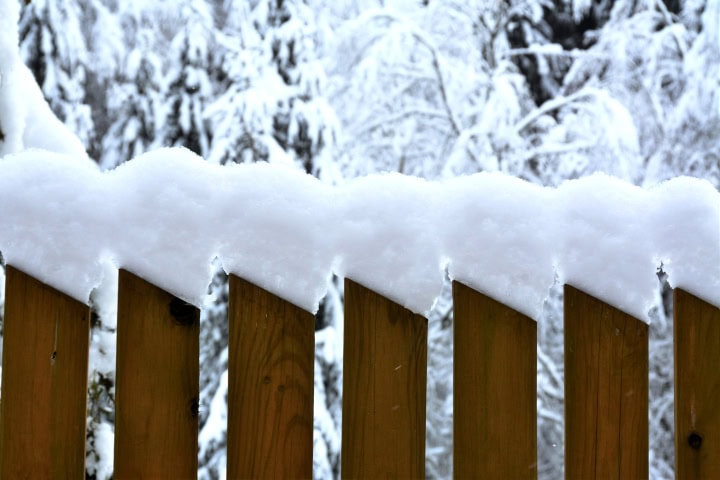
The leading cause of spring fence damage in Ontario properties is frost heave.
During winter:
- Moisture in the ground freezes and expands
- Expansion pushes fence posts upward
During spring thaw:
- Soil contracts and settles unevenly
- Posts remain displaced instead of returning to original alignment
This repeated cycle creates cumulative structural stress.
By the second or third season, what started as minor movement becomes visible leaning, separation, or gate misalignment.
The Ferrari Standard: Building Against Ground Movement
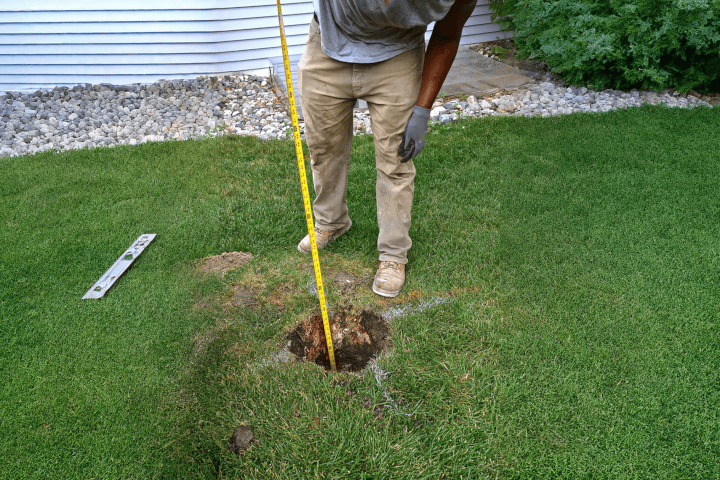
At Ferrari Fences, installations are designed with below-grade performance as the priority.
Every decision is based on how the structure will behave through multiple freeze-thaw cycles.
Ferrari Structural Approach:
- Post installation below frost line to resist heaving
- Controlled alignment to maintain long-term structural integrity
- Reinforced setting techniques that account for soil expansion
- Material selection based on moisture response and durability
This approach directly reduces the risk of recurring spring fence damage Ontario properties typically face.
Early Signs of Spring Fence Damage
Identifying spring fence damage Ontario early prevents larger structural issues.
Look for:
- Subtle leaning across fence lines
- Gaps forming between panels
- Gates that no longer latch correctly
- Posts that feel unstable at the base
- Vertical displacement after snowmelt
These indicators point to movement below ground — not just surface wear.
Repair vs Replacement - What Actually Works?
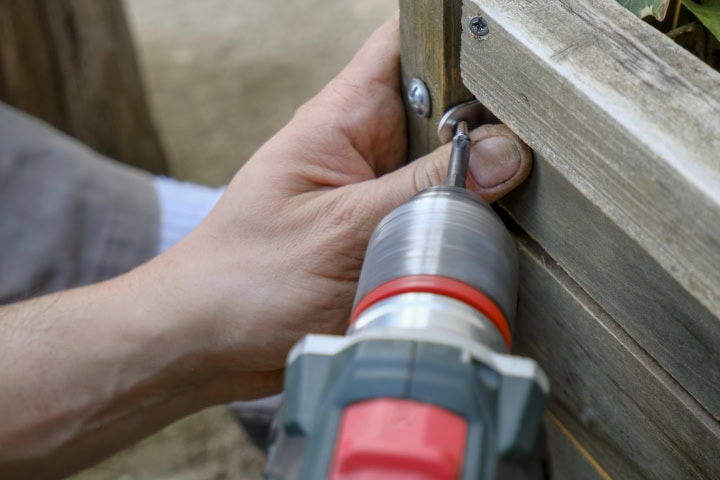
Not all spring fence damage cases in Ontario require full replacement.
- Minor alignment issues can sometimes be corrected
- Structural displacement at the post level often requires reset or rebuild
The key is diagnosing whether the issue is cosmetic or foundational.
Most quick fixes fail because they don’t address the root cause — soil movement and post depth.
Why April Is the Critical Assessment Window
April is when spring fence damage in Ontario becomes visible — and when intervention is most effective.
Waiting leads to:
- Continued soil settlement
- Increased misalignment
- Progressive structural stress
In high-demand areas like Vaughan and Mississauga, early assessment also ensures project timelines before peak summer demand.
When you choose a Master Craftsman, you aren't just paying for a perimeter; you are investing in a structure that will remain straight, functional, and beautiful long after the spring thaw has passed.
Book a consultation to assess your fence or plan a build that performs long-term.